
On 22 December the Swiss Department of the Environment, Transport, Energy and Communication (known as UVEK) opened consultation procedures pursuant to two environmental ordinances that impact the chemical industry: the 2005 Chemical Risk Reduction Ordinance (ChemRRV) and the 1985 Clean Air Ordinance (LRV). The consultation process is likely to continue through Spring 2022.
3E Review
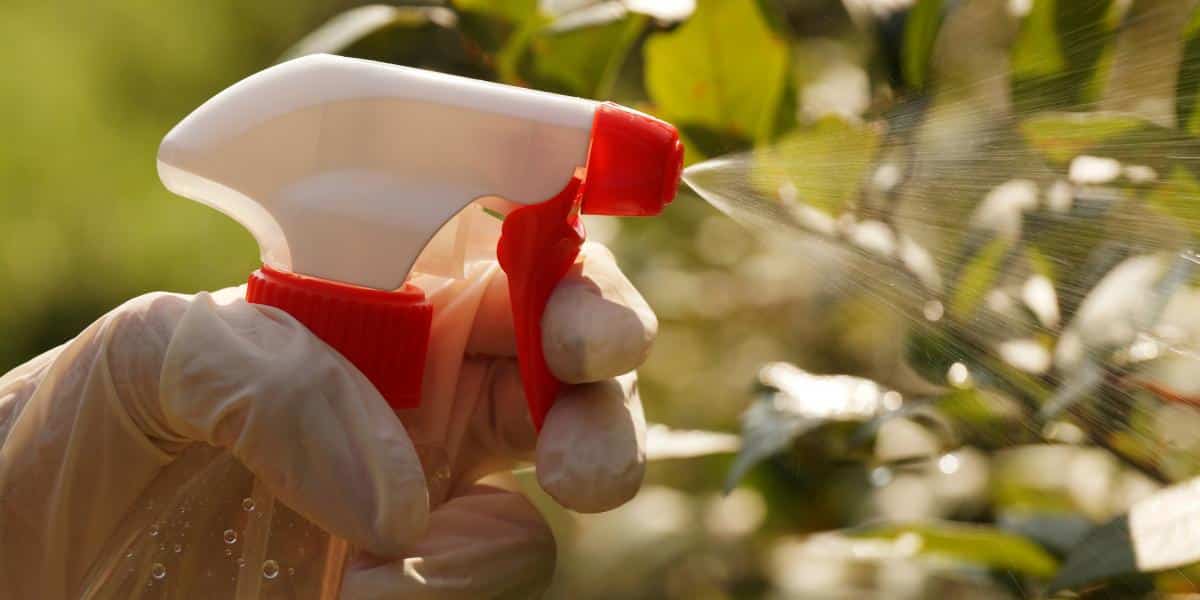
The revision of the 2005 Chemical Risk Reduction Ordinance would regulate the use of plant protection products by specifying the conditions for the licensing of specialists in the use of pesticides in agriculture, in horticulture and silviculture – as well as in special applications (such as sporting venues). Currently, plant protection products designated for professional use can now only be purchased by persons with a specialist license. Going forward, specialists would be required to complete a compulsory test in order to receive the specialist certificate, the validity of which would be limited to eight (8) years. An extension of the specialist license would be contingent upon further training. These measures are intended to strengthen the professional qualifications of individuals who are handling these chemicals in order to meet one of the objectives of the Swiss government’s pesticides action plan: namely, halving the risks associated with the use of pesticides.
The revision of the 1985 Clean Air Ordinance aims to lower the limit values for organic substances, nitrogen oxides, dust and formaldehyde at installations that manufacture chipboard. In addition, factory specific limit values would be introduced for the production of fiberboard, which would update the provisions for such system to comply with current state of the art methodology.
In addition to these provisions, the proposed amendment would revise the 1985 Clean Air Ordinance provisions that currently prohibit the burning of waste wood. The proposal indicates that installations should be allowed to use waste wood for heat generation, in order to dry the chips and fibers for chipboard and fiberboard products The use of waste wood is considered pragmatics from the perspective of resource conservation, and it is common across Europe. If accepted, this change would also require amendment of the 2015 Waste Ordinance (VVEA).
3E Analysis
UVEK opened the consultation process on the revisions to the 2005 Chemical Risk Reduction Ordinance and the 1985 Clean Air Ordinance in December 2021. The consultation process will continue through 5 April 2022, after which a decision on whether the proposed changes will be implemented into Swiss law is likely to be made.


