Related
EU Omnibus Packages Part 5: Omnibus V – Simplifying EU Defense Regulation
EU Omnibus Packages Part 4: Omnibus IV — Product Regulation, Simplification, and Compliance

Athletes Disqualified at 2026 Winter Olympics Over PFAS
EU Omnibus Packages Part 3: Simplifying EU Agricultural Regulation
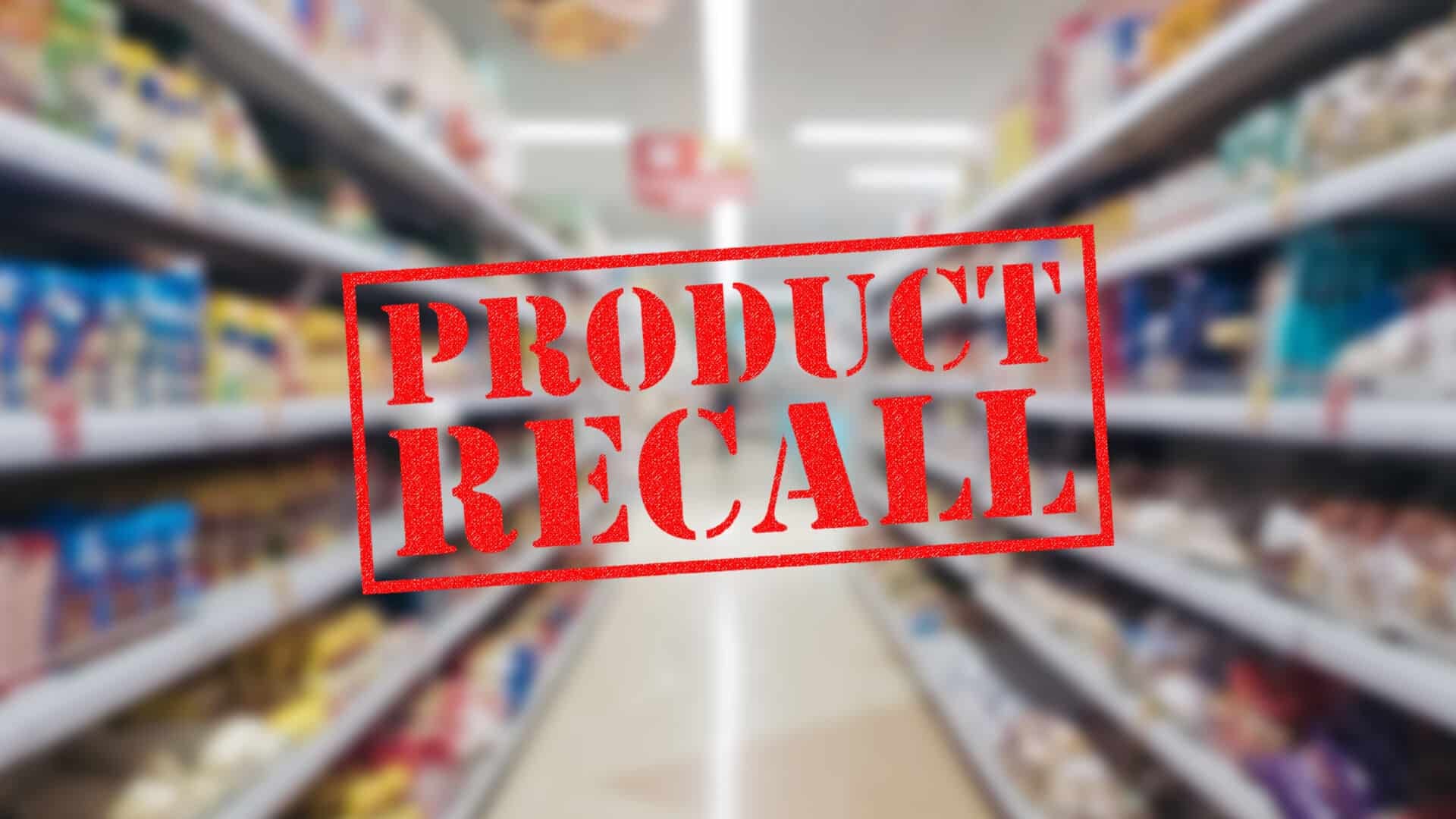
Navigating Food & Beverage Product Recalls
It is that moment – you are notified of a recall for one of your main product lines. Your mind starts spinning. You have to manage the recall logistics, address downstream effects, and execute efficiently on both your everyday tasks and your responsibilities as the point-person for recall mitigation.
You recognize the human element involved: people are getting sick and may lose faith in your product. However, you are determined to help preserve brand recognition. You realize that you need support, not only within your team, but external to it. Luckily, there are technological options to turn to that can help you address the recall and mitigate risk for a future one.
Food recalls: A massive risk that must be abated
As it turns out, a vast number of food recalls are due to undeclared allergens by the manufacturer or the supplier. On the U.S. Food & Drug Administration (FDA)'s website, there is a mechanism by which you can filter recalls based on product type and status. If you filter for “Food & Beverage” and “Any,” 712 entries arise between the years 2024 and 2018, and that is just U.S. regulated items.
There are a variety of reasons why food is recalled. There could be undeclared allergens (like in your popsicles), or the potential contamination by dangerous listeria or salmonella. Either way, a recall is one of the most feared and costly risks of doing business in the food & beverage industry. Every industry has risks, and this is one that you should meet head-on.
According to Food Safety Magazine, a study conducted by the Food Marketing Institute and the Grocery Manufacturers Association found that food recalls cost on average $10 million dollars to remedy (see: “Recall: The Food Industry’s Biggest Threat to Profitability” Food Safety Magazine White Paper (2012)).
As the magazine points out, it could cost a company $10 million just to “right the wrong.” Companies need to notify interested stakeholders such as regulatory agencies and consumers and pull back products (among other steps). This may seem easily achievable at first; but think about where the products are located. If the company distributes products worldwide, then there are numerous regulatory (federal and state/provincial) that need to be contacted. There are stores in multiple countries that have to empty their shelves. Disposal practices need to comply with different jurisdictional requirements and every supplier, in every country in which the product components were sourced, must stop operations and assess where the allergen or contamination came from. Recently, McCain Foods GB had to recall a variety of products due to different regulatory requirements in the jurisdiction in which the product was made and where it was sold. This necessitates attention to and understanding of country- specific regulatory requirements.
Consumers, of course, must be told of this unfortunate news. Thus, companies must delicately use their marketing skills to accurately deliver hazard communications, or share the news and the risks through different channels (e.g., their corporate websites and distributors) and they must do this at the risk of continuing to damage their brand reputation.
Brand reputation is one of the most cherished attributes that a food & beverage company can protect. Why? Because there is an emotional component to it that is hard to quantify.
Parents have been using certain brands for family meals, Thanksgivings and other holidays for generations. When the brand recalls a product that was a “secret” ingredient in mom's famous dish, then family traditions are shattered. If you've told your friends about how great a product is and then they get sick, you feel shame. If your kid ends up in the hospital due to a popsicle, well, you get angry and consider litigation.
In addition, future sales are impacted. Ask yourself, how likely are you to buy a brand's product again if there was a recall? If you are the type of chef who balks at a “sell-by” date when it is past due, then you probably won't ever purchase another one of Jessica's popsicles again.
Understanding Regulatory Compliance
The first shield to protect you against food and beverage recalls is regulatory knowledge. You need to know what food safety requirements exist in each and every country and jurisdiction (federal and state; federal and provincial; regional, etc.) where you operate.
Operation, in this sense, occurs where the product is made, where the product components are made (e.g., via suppliers), where the product is distributed (e.g., via distributors), and where specifically (which stores) the product is sold.
Once you know all of the jurisdictional locations at play, then you must understand which requirements apply to the product in question, how to interpret those requirements, what steps to take to be compliant, and what changes to regulatory requirements are on the horizon.
This level of preparation requires the development of internal processes that hold business units accountable for what is under their purview.
The second shield helps you in the event of a recall. There must also be internal processes for mitigating risk to consumer health and there must be adequate record-keeping to show, both to regulators and consumers, that you are on top of things – that you have control of the situation – and that you have a remedy for future products.
The third shield involves becoming a leader in sustainability to not only protect your brand reputation but to enhance it. Many consumers gravitate toward organic (genuine organic) and pasture-raised products. Again, consumers have an emotional response to certain brands. By purchasing sustainable products, consumers solidify their own identity in this space. Thus, in the best of worst cases, if you have a recall, then you can use it as an opportunity to rebrand your business. Even if you do not have a recall, it is productive to think about ways to position yourself as a sustainable earth and health-friendly brand.
Leveraging Technology for Incident Management
In addition to your team members both at the corporate site and worldwide, you need to utilize technology, like product compliance software. You must give those team members the information and knowledge that they need to be successful. Having a system in place to research regulatory and product safety requirements, run compliance checks, and check requirements for specific ingredients is key.
If you have a mechanism to see the big picture of compliance and you develop processes to confirm your compliance regularly, then you are well-positioned to reduce the risk of a recall, protect your brand reputation, and keep your customers coming back generation to generation.
Learn more about 3E’s product compliance software here.


Insights straight to your inbox
Sign Up NowRelated Resources
News
EU Omnibus Packages Part 5: Omnibus V – Simplifying EU Defense Regulation
News
EU Omnibus Packages Part 4: Omnibus IV — Product Regulation, Simplification, and Compliance
News
Athletes Disqualified at 2026 Winter Olympics Over PFAS
News
EU Omnibus Packages Part 3: Simplifying EU Agricultural Regulation