
Related
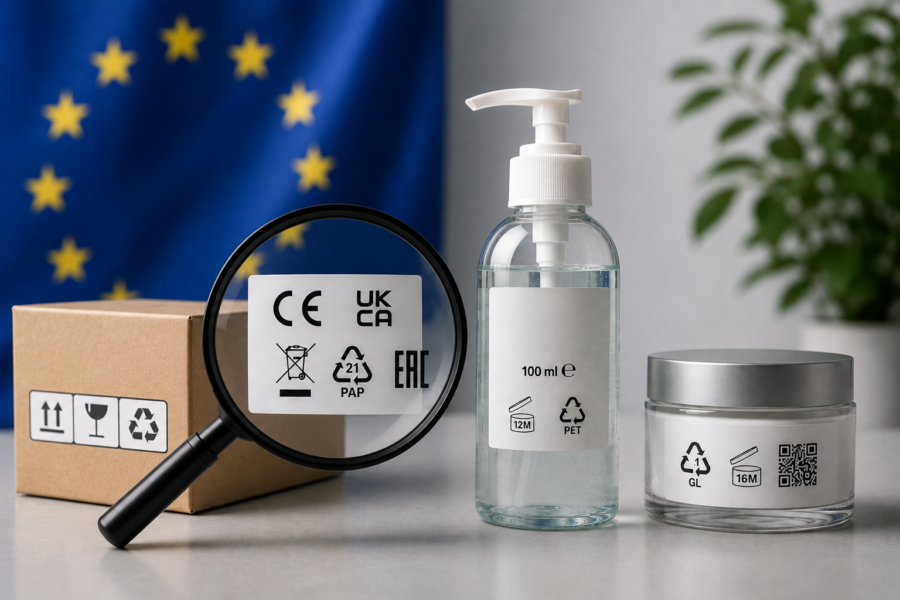
The Rising Symbols of EU Compliance — Part 1: CE Marking

3E strengthens trusted AI with ISO/IEC 42001 certification

Regulatory change management for chemical compliance: a practical framework
SDS update requirements: when and why you need to revise a safety data sheet
On 31 May 2023 the U.S. Food and Drug Administration (FDA) provided an update on the activities related to per- and polyfluoroalkyl substances (PFAS) in the general food supply, including recent testing results, progress on seafood related work, and advances in testing methods.
This update relates to FDA efforts to estimate dietary exposure to PFAS in the general food supply. In this announcement, the FDA reports finding PFAS in two cod and two shrimp samples and one sample each of tilapia, salmon, and ground beef.
3E Review
The FDA approach to testing for PFAS in food is based on a review of the scientific literature and select PFAS based on their expected uptake by foods and the availability of the chemical standards to accurately identify their presence. In 2019, the FDA started with 16 types of PFAS; in 2022, it added four additional PFAS to its testing, and in 2023 it expanded its testing methodology to test for 30 types of PFAS. The revised method will be shared publicly later this year. To date, the FDA has tested nearly 800 samples from a wide range of foods collected for the FDA's Total Diet Study (TDS) or collected as part of targeted assignments.
The 31 May announcement states that no PFAS have been detected in over 97% (701 out of 718) of the fresh and processed foods tested from the TDS. However, at least one type of PFAS was detected in 44% (14 out of 32) of the TDS seafood samples and in 74% (60 out of 81) of the samples from the 2022 targeted seafood survey. For the samples where PFAS was detected, each type of PFAS for which there are toxicological reference values (TRVs) was assessed individually.
The announcement goes on to state that while data on PFAS in seafood is still very limited, the TDS testing indicates that seafood may be at higher risk for environmental PFAS contamination compared to other types of foods. Except for canned clams from China, the FDA determined that none of the other PFAS exposures, at the measured levels, from seafood are likely to be a human health concern. For canned clams, voluntary recalls were issued by two firms, and the FDA continues to test a limited number of import shipments at the border and domestic products on the market. Filter feeders, such as clams, but also other bivalve mollusks, including oysters, mussels, and scallops, have the potential to bioaccumulate more environmental contaminants than other seafood types. The FDA is therefore pursuing additional sampling of imported and domestic bivalve mollusks to better understand PFAS in commercially available seafood.
3E Analysis
Food producers should be aware of the FDA PFAS testing activities. Seafood merchants and packagers should similarly be aware that the FDA intends to identify strategies to reduce PFAS in seafood.


Related Resources
News
The Rising Symbols of EU Compliance — Part 1: CE Marking
News
3E strengthens trusted AI with ISO/IEC 42001 certification
News
Regulatory change management for chemical compliance: a practical framework
News
SDS update requirements: when and why you need to revise a safety data sheet