
Related

Horizon Scanning: Moving From Restricted Lists to Regulatory Intelligence

Why product stewardship belongs in the business strategy conversation
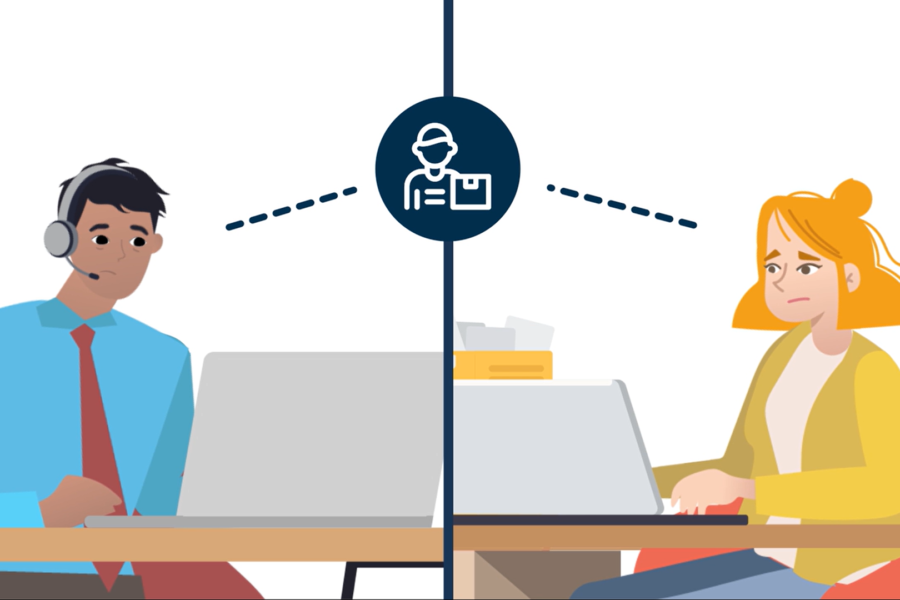
What are product compliance data silos costing you?



You know you want accessible supplier data. You also are starting to learn about growing trends and articles around the Cirular Economy, supply chain data infrastructure, digital product passports, and material passports. There’s a lot to unpack! So how does it all connect?
Let’s tackle this question by first addressing what is a digital product passport?
What is a Digital Product Passport?
A digital product passport is an expandable digital framework to share data. A 3E Exchange passport takes a 'mix n match' approach allowing you to choose wherever fields are most relevant. We like to group these fields into 4 categories, Ingredients, Sustainability, Circularity, and Compliance. These can include certifications such as HPDs, Declare Labels or Cradle to Cradle, just to name a few. You can include a bill of material for FMD, compliance statuses, end of life instructions or embodied carbon emissions etc. This digital framework can then be shared between relevant supply chain partners.
Is a Product Passport Different from a Material Passport?
The way we logic through the difference between a product versus a material passport is as follows. We think of materials as the components that comprise a product. Let's use a table as an example. The table is made of a glass top, wood legs and steel attachments. Those three components would be materials whereas the table is the product. Each material has its own list of substances for example the wood is not only wood but also has a clear varnish. We realize supply chains are often more complex, this is a simplified example. 3E Exchange is built to support complex BOMs with thousands of components. Each component can have its own set of relevant documents or certifications.
Why Use Product Passports?
Your next thought might be “what's the point of creating a product passport?” There are many advantages. Foremost, it allows you to have one place where you can manage all the relevant information. There are protections in place that allow you to share information but with a veil of secrecy in order to protect trade secrets. Lastly, the world is moving towards transparency and circularity. We urge you to be proactive instead of reactive. If you start experimenting with creating product passports now, you'll be ahead of the game when it becomes a necessity instead of a nice to have.
Where Can I Start Creating Digital Product Passports?
Now that you understand the difference between a product passport and a material passport, you’re probably wondering, “well, how do I actually start using them?”. This is where globally, we need the data infrastructure to support our digital product passports. That’s where the 3E Exchange comes in. With the 3E Exchange you can start creating passports right now!
All users on 3E Exchange have access to our 3E Exchange to create, find, and share digital product passports, providing a path to access users data needs across their entire supply chain.
If you don’t see the data you’re looking for, 3E Exchange enables users (whether you’re a supplier or manufacturer) to reach out across your supply chain via unlimited supplier surveys. That means you can ask every single on of your suppliers to add their data onto the 3E Exchange all for free. Best yet, once it’s on the Exchange, you’re able to pull that data into your account immediately to start analyzing your products and materials for the all your compliance, circularity and sustainability reporting needs.
Related Resources
News
Horizon Scanning: Moving From Restricted Lists to Regulatory Intelligence
News
Why product stewardship belongs in the business strategy conversation
News
What are product compliance data silos costing you?