
Related

The real cost of poor SDS data quality: five risks that add up to millions

The ROI of Digital Product Passports: benefits beyond compliance
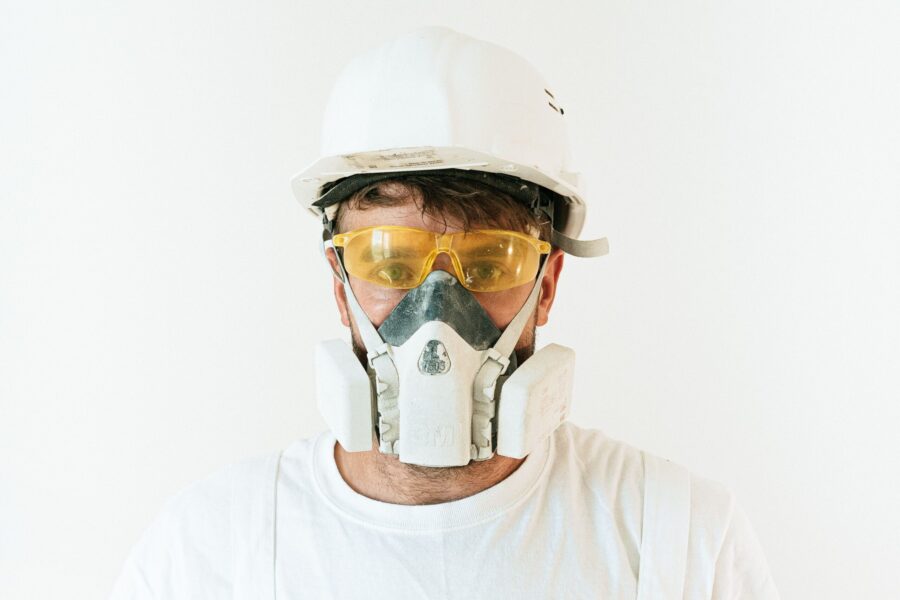
Sen. Warren and Rep. Omar Challenge U.S. OSHA on Evidence for Respirator Rollbacks


The U.S. Environmental Protection Agency took additional steps toward reducing toxic air pollution with a new final rule issued 9 April 2024 that will curb ethylene oxide (EtO) and chloroprene emissions from chemical plants.
Long-term exposure to EtO and chloroprene can increase the risk of certain types of cancer, such as lymphoma, leukemia, breast cancer, and liver cancer. The EPA expects the rule to better protect children, who are more susceptible to the effects of toxic chemicals and will be subject to greater exposure over the course of their lives. It also hopes to protect those who live near, work near, or go to school near a chemical plant and reduce their exposure to those chemicals.
“We promised to listen to folks that are suffering from pollution and act to protect them,” said EPA Administrator Michael Regan. “Today, we deliver on that promise with strong final standards to slash pollution, reduce cancer risk, and ensure cleaner air for nearby communities.”
3E Review
On 14 March 2024, the EPA announced final amendments to the National Emission Standards for Hazardous Air Pollutants (NESHAP) for ethylene oxide used in commercial sterilization facilities.
Approximately half of sterile medical devices in the United States are sterilized with EtO, or about 20 billion devices per year. There are 88 operational commercial sterilization facilities in the United States and two under construction.
The agency has also developed proposed risk reduction requirements for pesticides under the Federal Insecticide, Fungicide, and Rodenticide Act (FIFRA) to protect workers who use EtO to sterilize things and to protect people who work, live, or go to school near sterilization facilities.
3E Analysis
The new final rule applies to about 200 plants that make synthetic organic chemicals and a variety of polymers and resins, including neoprene. The rule is expected to reduce both EtO and chloroprene emissions from covered processes and equipment by nearly 80%, according to the EPA.
A regulatory impact analysis from the EPA's Office of Air Quality Planning and Standards Health and Environmental Impacts Division anticipates healthcare savings from reduced risk of illness and a cleaner environment.
The report also advises businesses prepare to incur compliance-related costs, such as capital investments, operational changes, and administrative expenses for regulatory reporting requirements.
Some businesses may also experience supply chain disruptions, but companies that proactively adapt to the new standards may gain a competitive advantage, enhancing their brand reputation and attracting environmentally conscious customers.
“Setting protective air standards for over 200 chemical plants and requiring fenceline monitoring for some of the most toxic emissions shows a commitment to protecting public health,” said Earthjustice Vice President for Healthy Communities Patrice Simms. “We look forward to the EPA's swift implementation and rigorous enforcement of this critical rule.”
—-
Editor's Note: 3E is expanding news coverage to provide customers with insights into topics that enable a safer, more sustainable world by protecting people, safeguarding products, and helping businesses grow. Breaking News articles keep you up-to-date with news as it’s happening.
Related Resources
News
The real cost of poor SDS data quality: five risks that add up to millions
News
The ROI of Digital Product Passports: benefits beyond compliance
News
Sen. Warren and Rep. Omar Challenge U.S. OSHA on Evidence for Respirator Rollbacks

News
EU 2027 Work Program Pulls Back on Sustainability